Folded & Co. Home

Category

Style Guides

17 articles

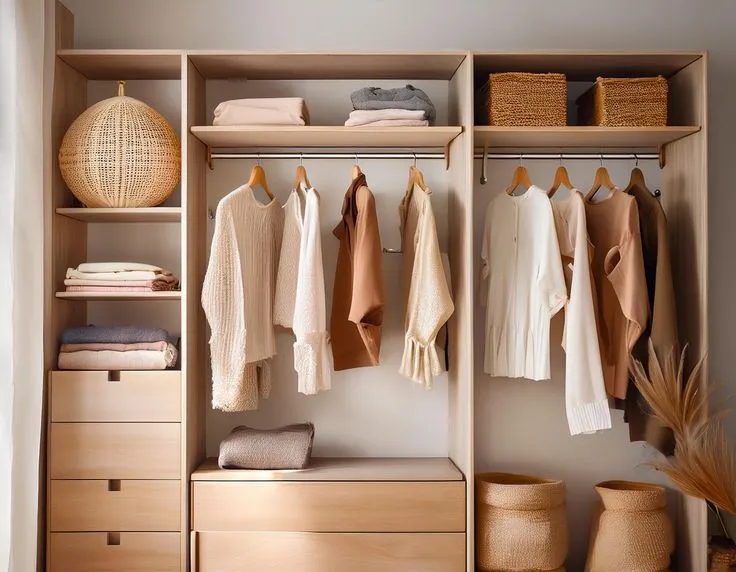
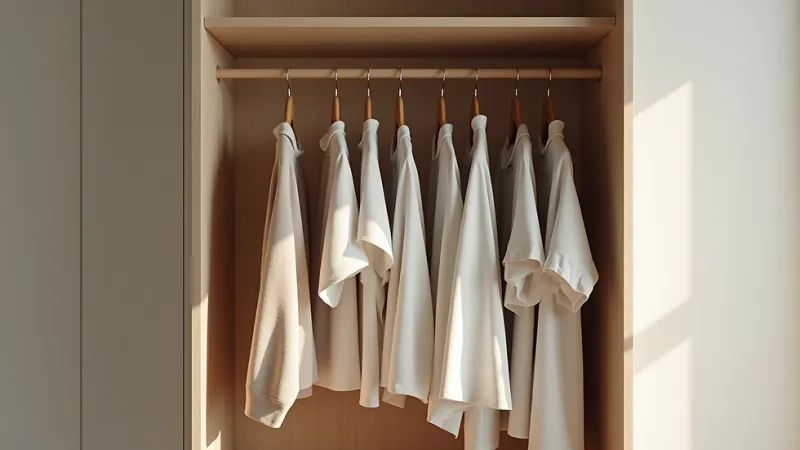
What the Inside of Your Closet Reveals About How You Actually Shop

What the Inside of Your Closet Reveals About How You Actually Shop

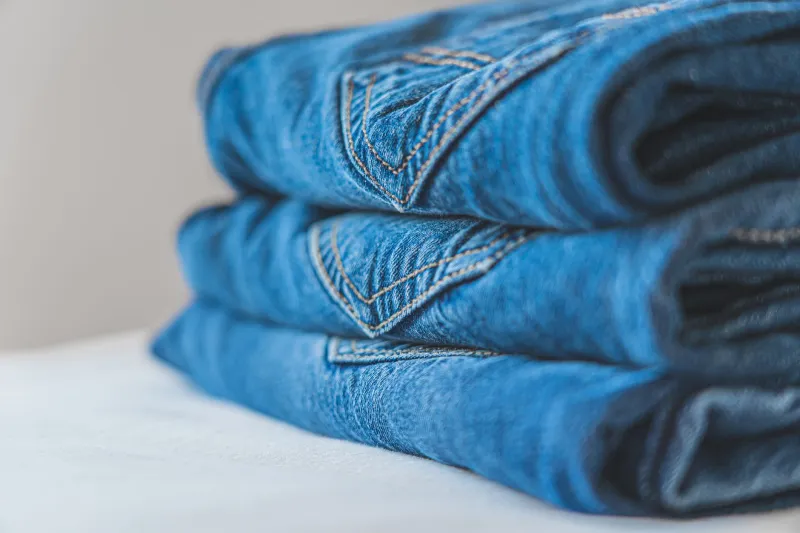
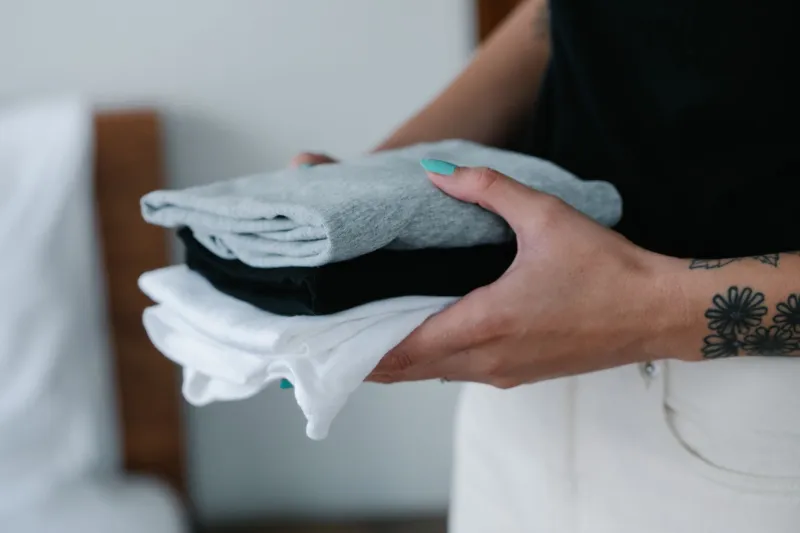
The way you store your clothes isn't just a logistical choice — it's a confession. How you fold, hang, or shove things into a drawer tells a surprisingly honest story about your relationship with the stuff you own. Turns out, reorganizing that system might be the most underrated tool for becoming a more intentional consumer.

Your Friends Already Know What You Should Keep

Your Friends Already Know What You Should Keep

Your inner circle has been quietly auditing your wardrobe for years. The pieces they borrow, the ones they compliment every single time, the stuff they never notice — it's all data. Here's how to actually use it.

The Weight of What It Meant: Letting Go of Clothes That Carry Too Much

The Weight of What It Meant: Letting Go of Clothes That Carry Too Much

Some pieces in your closet aren't really clothes anymore — they're time capsules, guilt trips, or love letters you never finished. Figuring out which ones are still serving you, and which ones are just taking up space and emotional real estate, is one of the harder parts of building a wardrobe that actually fits your life.

Who Are You Actually Dressing For? Your Friends Know.

Who Are You Actually Dressing For? Your Friends Know.

Your inner circle might be the most honest mirror your wardrobe has ever had. Before you buy another piece you'll never wear, it's worth asking whose voice is actually in your head when you reach for the checkout button — and whether that voice is even someone you trust.

The Clothes You're Keeping for Someone You're Not Anymore

The Clothes You're Keeping for Someone You're Not Anymore

That dress you haven't touched in three years isn't taking up closet space — it's taking up mental space. Understanding why we hold onto unworn pieces is the first step toward a wardrobe that actually reflects who you are right now, not who you were, or who you thought you'd become.

Breaking Up (A Little) With Your Favorite Ethical Brand

Breaking Up (A Little) With Your Favorite Ethical Brand

Somewhere between discovering your first truly ethical brand and today, loyalty quietly turned into a cage. You kept buying from the same place not because it was the best fit, but because it felt safe — and maybe a little righteous. It's time to talk about what that's actually costing your wardrobe.

When Your Values Outgrow Your Group Chat

When Your Values Outgrow Your Group Chat

Shifting toward a more intentional wardrobe can quietly change the way you relate to the people around you — and not always smoothly. Here's how to hold onto your friendships without abandoning what you actually believe in, or turning into the person who ruins brunch.

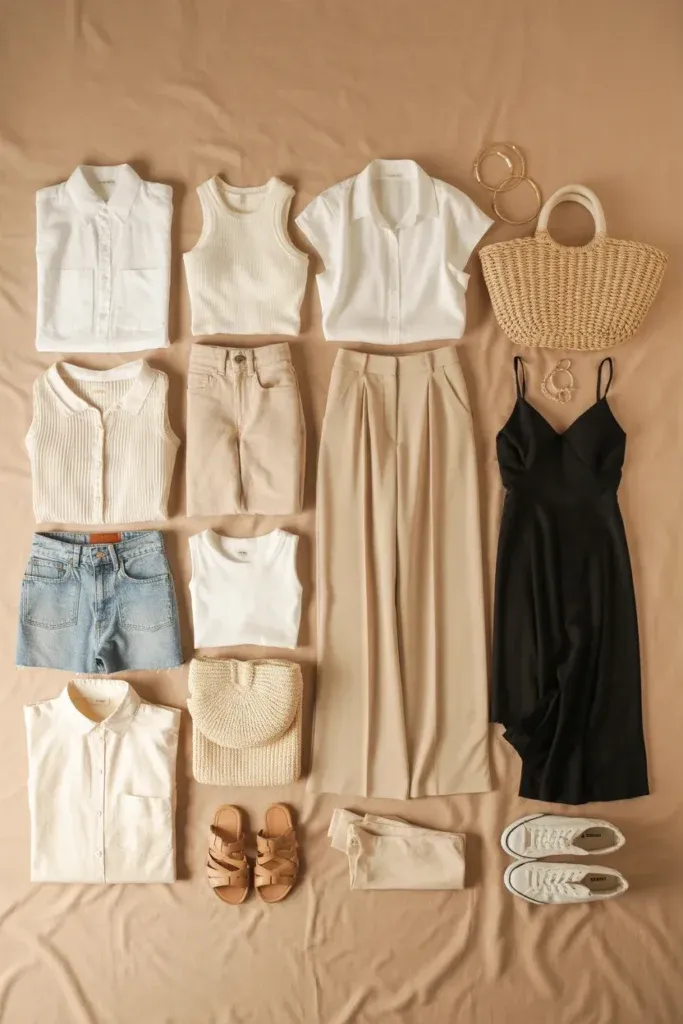
Everything in Your Closet Is Trying to Tell You Something

Everything in Your Closet Is Trying to Tell You Something

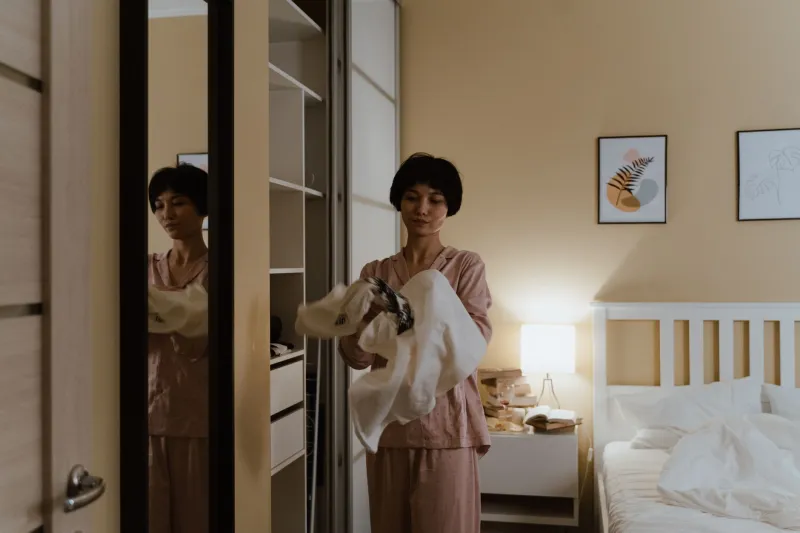
Before you buy another thing, it's worth getting honest about what you already own—and why. A real wardrobe audit isn't about achieving some perfect minimalist number. It's about finally understanding your own patterns so the next thing you bring home actually earns its place.

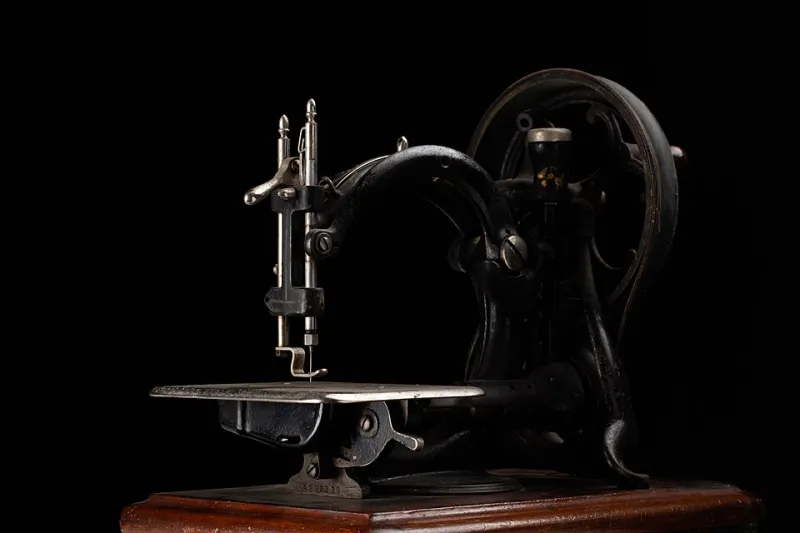
Thread by Thread: The Quiet Thrill of Fixing What You Already Own

Thread by Thread: The Quiet Thrill of Fixing What You Already Own

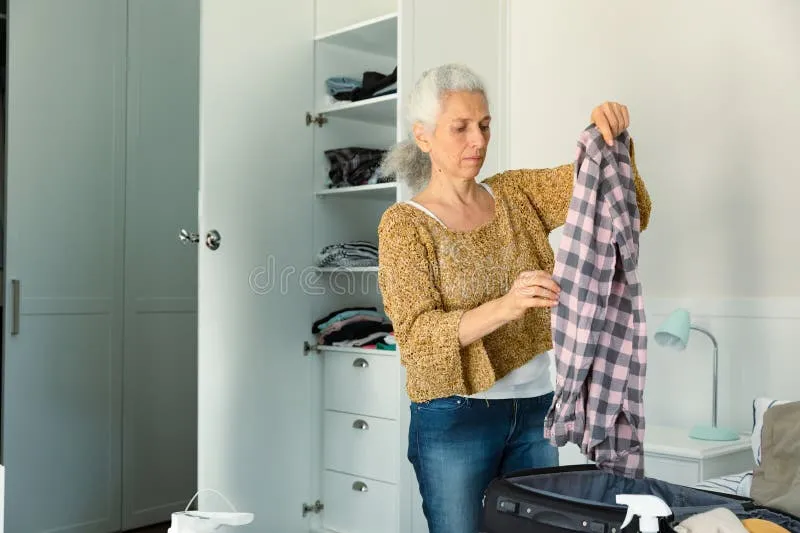
A split seam used to mean a trip to the trash — or worse, a fast fashion replacement haul. But a growing community of everyday sewers is reclaiming the needle and thread as a tool of resistance, creativity, and genuine satisfaction. Here's how to start repairing your own clothes, and why it might change the way you see everything in your closet.

Do the Math: Cost Per Wear Is the Only Fashion Metric That Actually Matters

Do the Math: Cost Per Wear Is the Only Fashion Metric That Actually Matters

That $300 cashmere sweater might be the cheapest thing in your closet. And that $40 dress you've worn twice? Possibly the most expensive. Cost per wear is a simple calculation that reveals uncomfortable truths about how we shop — and it might just change the way you think about every purchase going forward.